
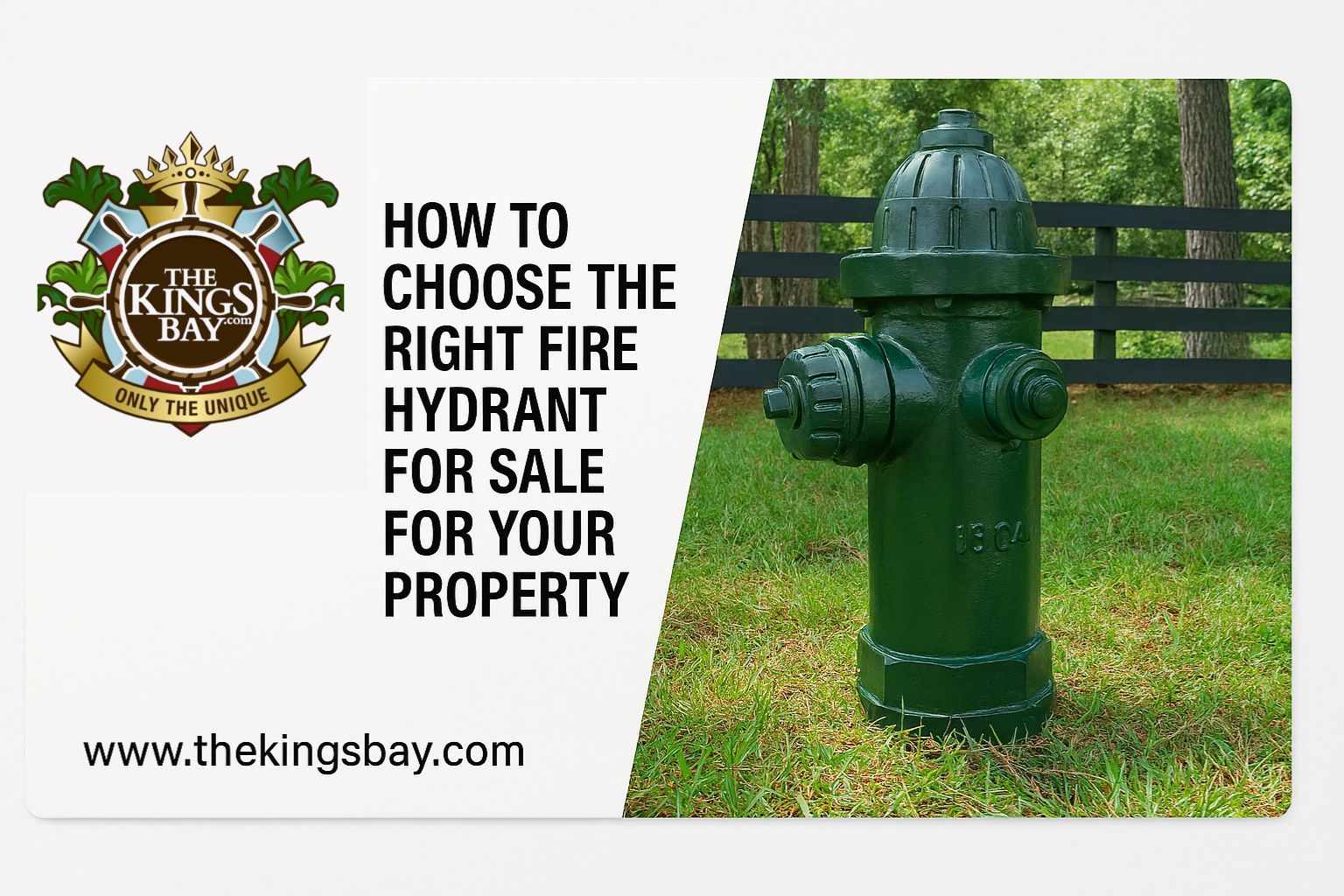
Finding a reliable fire hydrant for sale online involves far more than selecting the lowest-priced option. Fire hydrants are critical safety assets, and choosing the right one ensures long-term performance, compliance, and operational reliability. Understanding the essential features allows buyers to avoid outdated or low-quality options and make smarter decisions for commercial, residential, or industrial applications.
1. Material Quality and Durability
The first thing to evaluate is the hydrant’s construction material. High-quality hydrants are typically made from ductile iron or cast iron, known for their ability to withstand pressure, corrosion, and environmental stress. These materials also maintain structural integrity during temperature fluctuations and heavy use.
Protective coatings play an equally important role. A hydrant with a durable exterior finish resists rust and wear, extending its lifespan. During your early research for a fire hydrant, prioritize durability, as it significantly influences long-term maintenance and replacement costs.
2. Choosing Between Wet-Barrel and Dry-Barrel Hydrants
Understanding hydrant types helps you select a model that suits your climate and installation environment.
Wet-barrel hydrants: Best for warm climates; water remains in the barrel.
Dry-barrel hydrants: Ideal for areas where temperatures drop below freezing; valves sit below frost level.
Selecting the wrong type can lead to malfunctions or freeze damage in winter. Additionally, evaluate whether the hydrant design allows easy access for repairs, as smooth maintenance contributes to long-term reliability.
3. Performance Specifications That Matter
Flow rate, pressure rating, and nozzle configuration define the hydrant’s efficiency during emergencies. Areas with dense infrastructure or increased fire risk require higher flow rates. Ensuring compatibility with local firefighting equipment is also crucial—standardized nozzle threading ensures responders can operate the hydrant immediately.
In the middle of your process of comparing a fire hydrant for sale, these technical specifications are among the most important to review.
4. Certifications, Compliance, and Local Regulations
Fire hydrants must meet strict regulatory standards to ensure safety and functionality. Look for models that comply with:
AWWA standards
UL certification
Local municipal installation guidelines
Purchasing a hydrant that fails to meet regional requirements can lead to fines, installation rejections, or operational hazards. Verified compliance gives you confidence in the hydrant’s performance under pressure.
5. Installation Needs and Included Components
Some hydrants come as complete kits, while others require additional fittings or accessories. Review the product listing carefully to understand what’s included. Missing hardware can delay installation or cause compatibility issues later.
Consider the availability of replacement parts as well. Reliable manufacturers offer accessible spare components, simplifying long-term maintenance and repairs.
6. Balancing Cost with Value and Longevity
While budget is always a consideration, avoid basing your decision solely on price. High-quality hydrants offer better resilience, reduced maintenance needs, and longer service life.
Evaluate:
Warranty length
Replacement part availability
Customer reviews
Supplier expertise
This approach ensures that the fire hydrants you choose provide genuine long-term value, not just upfront affordability.
7. Supplier Reputation and Product Transparency
Not all online sellers offer the same level of quality. Reputable suppliers provide detailed specs, clear product images, and reliable customer service. Listings with vague descriptions or missing technical information are red flags.
Choose sellers known for specializing in fire safety equipment, as they typically maintain higher quality control and product knowledge.
8. Final Considerations for a Smart Purchase
Before completing your order, revisit the essential factors: construction, hydrant type, performance specs, certifications, installation requirements, warranty, and seller credibility. Combining these insights helps you confidently select a hydrant that aligns with your site’s needs and safety commitments.
As you approach the final step of choosing a fire hydrant, ensure every detail aligns with your operational requirements and climate conditions.
Choose a Reliable Hydrant Today!
A well-chosen hydrant boosts safety, compliance, and long-term performance. Use these insights to compare options effectively and select the fire hydrant for sale that offers durability, efficiency, and dependable protection.
Take the next step today and invest in equipment built to safeguard your property for years to come.










Write a comment ...