
Fire safety is a critical aspect of any property, whether residential, commercial, or industrial. One of the most essential components of an effective fire protection system is a reliable hydrant. When considering a fire hydrant for sale, it is important to evaluate factors such as durability, flow capacity, installation requirements, and compliance with safety regulations. Selecting the right hydrant ensures quick and efficient access to water during emergencies, reducing potential damage and safeguarding lives. Understanding these factors helps property owners make informed decisions while investing in fire safety equipment.
Understanding Fire Hydrant Types
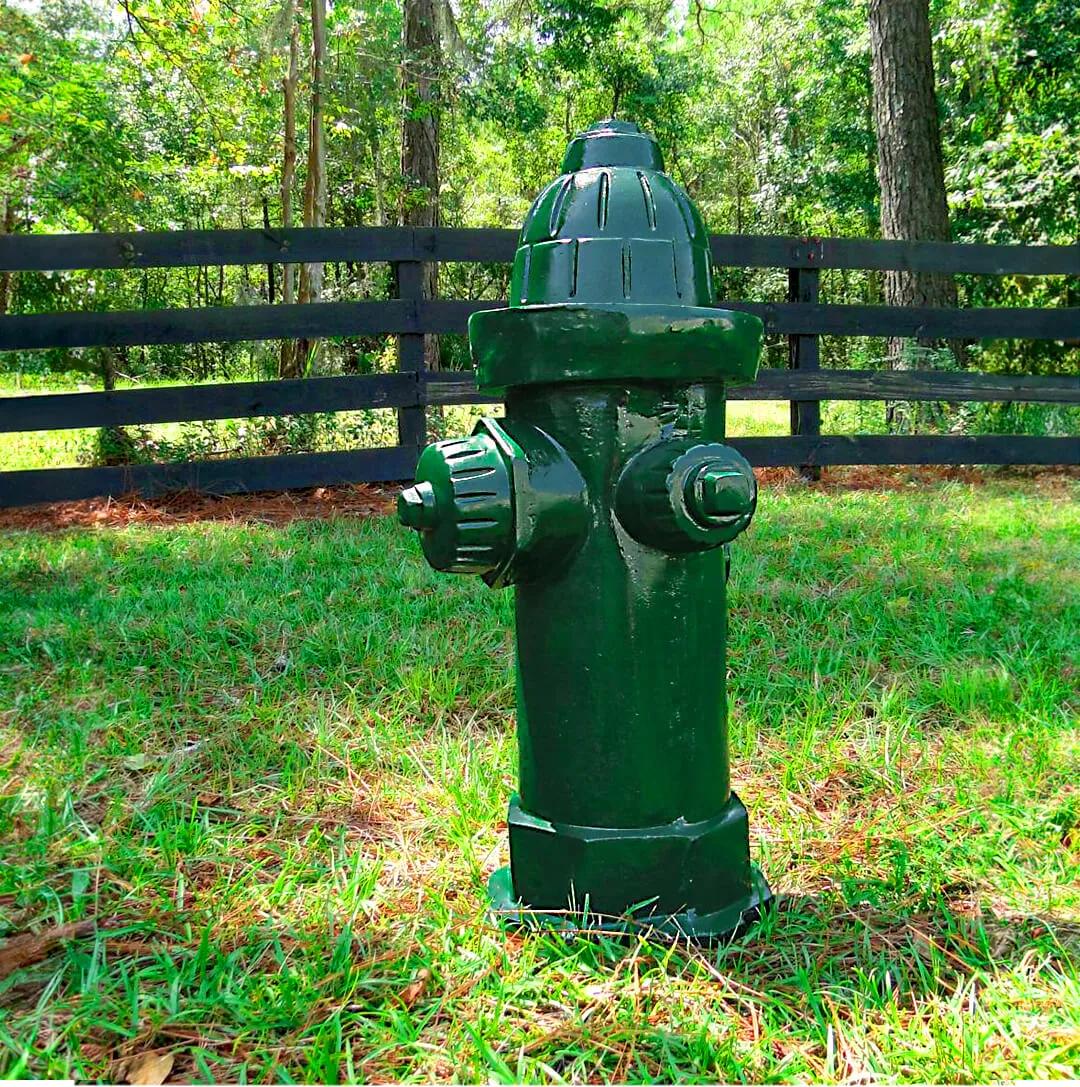
The first step in choosing a fire hydrant is understanding the different types available. Hydrants can be categorized as wet-barrel or dry-barrel, each designed for specific climates and operational requirements. Wet-barrel hydrants are typically used in areas where freezing temperatures are rare, while dry-barrel hydrants prevent water from remaining in the barrel in colder regions to avoid freezing. Other considerations include pillar, wall, or flush-mounted hydrants, which vary based on accessibility and space constraints. Knowing the type suitable for your property helps ensure functionality and reliability during emergencies.
Evaluating Material and Durability
Durability is a key factor when selecting a fire hydrant. Hydrants are commonly constructed from materials such as cast iron, ductile iron, or bronze, each offering varying levels of strength, corrosion resistance, and longevity. Choose a hydrant that can withstand environmental conditions and regular use without compromising performance. A well-built hydrant minimizes maintenance needs and reduces the likelihood of mechanical failure. Prioritizing quality materials ensures that the fire hydrant remains operational for many years, providing peace of mind in critical situations.
Installation and Maintenance Considerations
Proper installation and maintenance are critical to hydrant functionality. Consider the location, accessibility, and surrounding infrastructure when planning installation. The hydrant should be easy for emergency personnel to reach and operate without obstruction. Regular inspection and maintenance are necessary to ensure valves, caps, and connections remain in working order. Easy-to-service hydrants save time during emergencies and minimize downtime. Factoring in installation and maintenance requirements helps property owners make practical, long-term decisions when purchasing a fire hydrant for sale.
Checking Water Flow Capacity
An essential feature of any fire hydrant is its water flow capacity. The hydrant must provide sufficient water pressure to support firefighting efforts for the property it serves. Assess the expected fire load, building size, and the number of connections required when evaluating flow requirements. Hydrants with inadequate flow can hinder emergency response, while those with excessive capacity may result in unnecessary costs. Understanding the water supply and matching it with the hydrant’s specifications ensures that the system performs effectively when needed.
Assessing Compliance and Safety Standards
Before purchasing, verify that the fire hydrant meets local and national safety standards. Compliance with regulations ensures the hydrant is reliable, safe, and legally acceptable for installation. Look for certifications and adherence to standards set by organizations such as NFPA (National Fire Protection Association) or local fire authorities. A compliant hydrant guarantees structural integrity, proper operation, and compatibility with firefighting equipment. Ensuring adherence to these standards reduces legal risks and enhances overall safety on the property.
Cost and Warranty Factors
While price is not the sole consideration, it remains an important factor when choosing a fire hydrant. Balance cost with quality, durability, and compliance to ensure long-term value. Many hydrants come with warranties that cover manufacturing defects or premature failure, offering additional security for buyers. Evaluating cost-effectiveness, along with installation and maintenance expenses, helps determine the total investment needed. Selecting a hydrant with a reliable warranty provides confidence that the equipment will perform as expected over its operational lifespan.
Final Thoughts
Selecting the right fire hydrant for sale involves careful consideration of type, material, flow capacity, compliance, installation, and cost. By evaluating these factors thoroughly, property owners can ensure they invest in a hydrant that is reliable, durable, and fully capable of supporting firefighting efforts in emergencies. A well-chosen hydrant enhances overall safety, minimizes risk, and provides peace of mind, making it a crucial component of any effective fire protection system.










Write a comment ...